Valparaíso: a short guide to the port
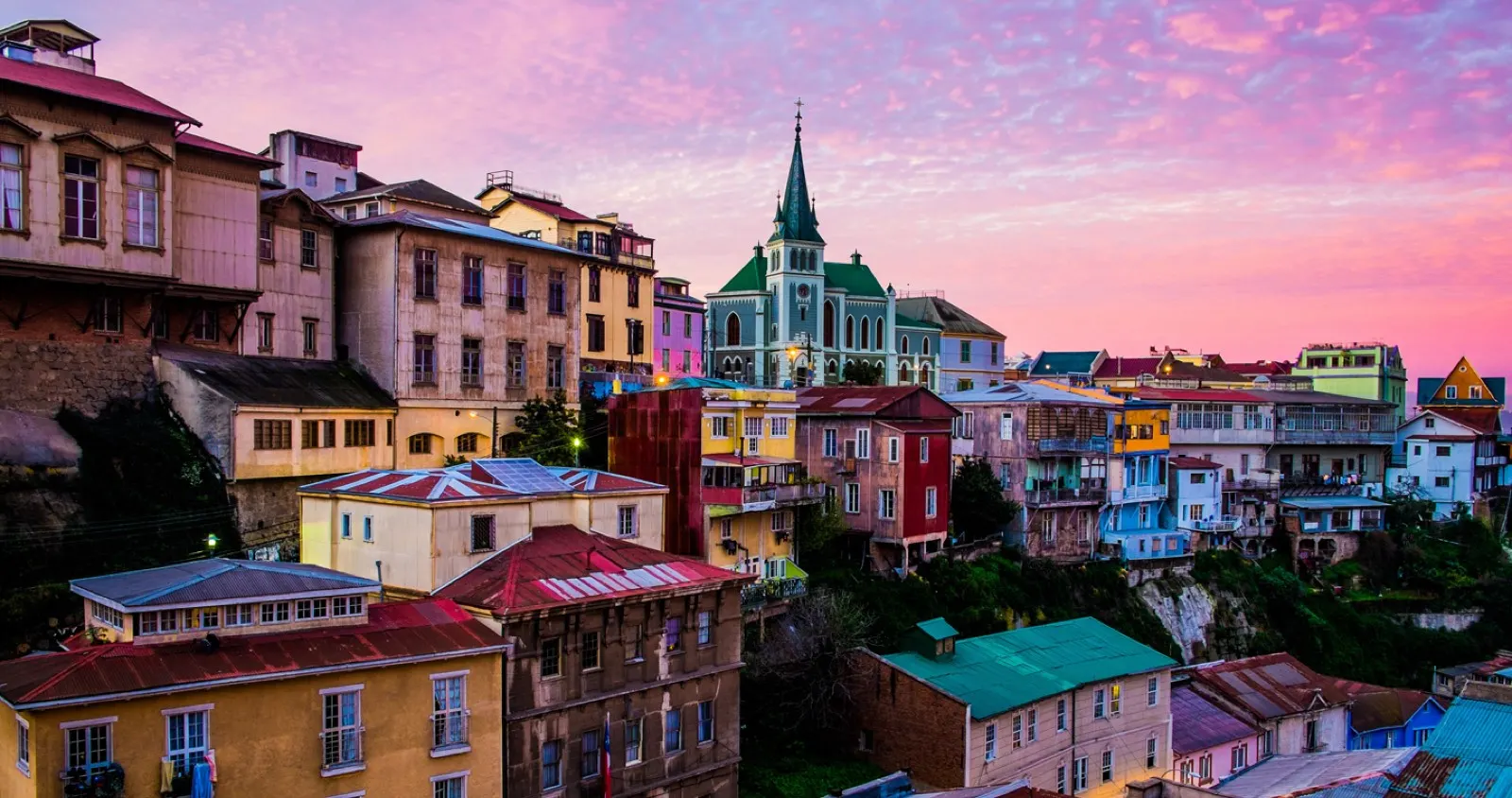
Valparaíso is a port city on Chile’s central coast, home to the National Congress and a UNESCO World Heritage Site since 2003. Its historic centre spreads across hills that fall towards the bay — a geography that has shaped both its architecture and its daily life, and made it a key Pacific port during the 19th century.
The century-old funiculars are the first image most visitors take home. Of the twenty-plus that once ran, seven were in service as of October 2026, including the Concepción (built in 1883), the Reina Victoria and El Peral. Riding one up and walking down through the stairways and passages is the classic way to explore the hills.
Hills, funiculars and street art
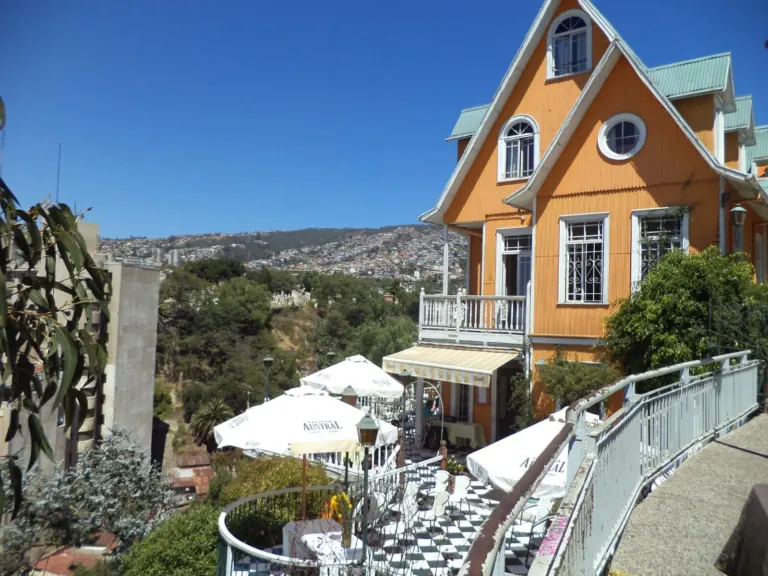
Cerro Alegre and Cerro Concepción, side by side, are the heart of the Valparaíso of British and German immigrants: churches, shingled houses and cobbled passageways. This is where the cafés, art galleries and much of the street art the city is famous for come together. Within a few blocks you’ll find murals by anonymous artists next to pieces by well-known names.
Beyond the hills, it’s worth walking through Plaza Sotomayor — with its monument to the Iquique heroes facing the Navy building —, taking the funicular up to La Sebastiana, one of Pablo Neruda’s three houses, and wandering along the Muelle Prat and the market. The walk is best rounded off with the views from Paseo 21 de Mayo, up on Cerro Playa Ancha.
How to plan your visit
A well-spent day pairs Valparaíso in the morning with Viña del Mar in the afternoon: the two cities sit right next to each other and complement each other. For a relaxed pace with a local guide, our Valparaíso and Viña del Mar City Tour covers the essentials in four hours with hotel pickup. Those who want to focus on the street-art scene will prefer the street art walk.