Torres del Paine: how many days you need and how to get there
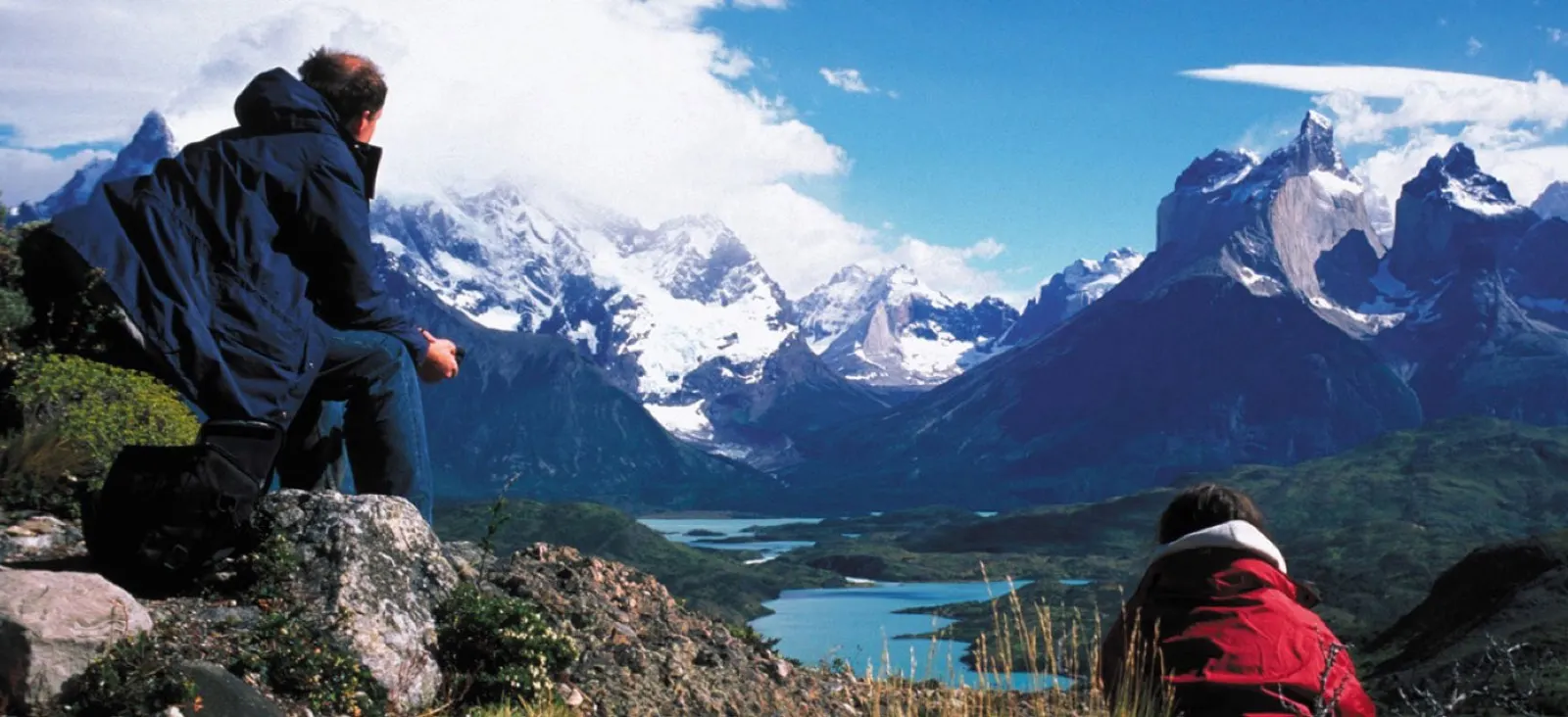
Torres del Paine National Park lies at the far south of Chile, in the Magallanes Region, about five hours by road from Punta Arenas airport. It covers around 227,000 hectares of steppe, forest, lakes and glaciers, and at its heart rise the three granite towers that give it its name. It was declared a UNESCO Biosphere Reserve in 1978 and is, without question, one of the great trekking destinations in the world.
How to explore the park
The park is usually explored on two circuits: the W, four to five days, taking in the classic legs — the Towers, the French Valley, Grey Glacier — and the O Circuit, seven to nine days, which loops the entire Paine massif across the John Gardner Pass. Both are done between refugios or campsites. Visitors with less time can drive to the day-accessible viewpoints — Lago Grey, Mirador Cuernos, Salto Grande — from a base in Puerto Natales.
When to go
The high season runs from November to March: long days, mild temperatures and persistent wind. April and October are quieter but weather is changeable. Winter, from June to August, is a different experience — snow, short daylight and some trails closed — best suited to visitors who already know the park and are after extreme photography.
Wildlife and flora
Wildlife includes guanacos, foxes, condors and, with luck, pumas: the area is one of the few places in the world where puma sightings are possible with specialist guides. The flora is spare and low, typical of the Patagonian steppe.
Planning
Park entry requires advance reservation of tickets, and of refugios or campsites via the official concessionaires if you’ll be sleeping inside. Travellers combining Patagonia with the north often follow Santiago → Torres del Paine → San Pedro de Atacama, with domestic flights between them. Message us at contact to put together the full programme.
How many days do you need in Torres del Paine?
It depends what you want to do, and the numbers are fairly clear:
- Two days — Enough to drive the park and see the main viewpoints: Grey Lake, Salto Grande, Laguna Amarga and the massif views. No long hikes.
- Three or four days — The most common choice and the one we recommend. It allows the Base of the Towers hike, demanding but doable in a day, plus a spare day in case the weather forces a change of plan.
- Five to eight days — The full W circuit, sleeping in refuges inside the park. Refuges need booking far ahead, sometimes almost a year.
- Eight to ten days — The O circuit, the full loop around the massif. For experienced hikers.
The usual mistake is booking two nights while counting on doing the Base of the Towers. That hike is 8 to 10 hours and depends on wind: if the day you scheduled it dawns with strong gusts, you lose it. Without a spare day, Patagonia decides for you.
Getting there from Santiago
You fly to Punta Arenas — about three and a half hours from Santiago — then it’s roughly three hours by road to Puerto Natales, the usual base for the park. Natales to the park entrance is another two hours.
In high season Puerto Natales airport also operates direct flights from Santiago, which saves the whole overland leg. It’s the comfortable option when dates line up, though there are fewer frequencies and it usually costs more.
Worth knowing: wind cancels flights in Patagonia with some regularity. Never schedule your international connection for the same day you leave Punta Arenas — always leave a night in Santiago as buffer.
Can you visit without hiking?
Yes, and it’s asked more often than you’d think. Much of what makes Torres del Paine famous is visible from the road and from viewpoints reachable by vehicle: the Paine massif, the Cuernos, lakes in improbable colours, guanacos and, with luck, a condor.
Two days with a private vehicle cover the full park circuit with stops and short walks of 20 to 40 minutes. You can also add the boat trip to Grey Glacier, which requires no physical effort and is among the most striking things in the park.
It’s a perfectly valid way to visit for older travellers, families with small children, or anyone who simply didn’t come to walk for eight hours.
Common planning mistakes
- Booking late. Refuges inside the park and the good hotels in Natales sell out six months or more ahead for the December-to-February season.
- Travelling off-season without checking services. Between May and September many refuges close, daylight drops to eight hours and several trails are restricted.
- Not accounting for wind. In spring it regularly blows above 80 km/h. It transforms the wind chill and can close sectors of the park.
- Confusing Puerto Natales with the park. They are two hours apart. Sleeping in Natales is fine, but it means four hours of driving on every day you enter.
Want to include Torres del Paine in your trip?
We design private 7 to 15 day itineraries across Chile, with transport, guides and hotels coordinated. Local receptive operator since 1992.