Easter Island: how many days you need and how to fit it in
Easter Island — Rapa Nui in its native language — is a small volcanic island in the South Pacific, more than 3,700 kilometres from the mainland. It is the most remote inhabited spot on the planet and has been Chilean territory since 1888. The whole island — green fields, craters and cliff-cut coast — has been a UNESCO World Heritage Site since 1995: Rapa Nui National Park holds the most significant archaeological sites.
What to see
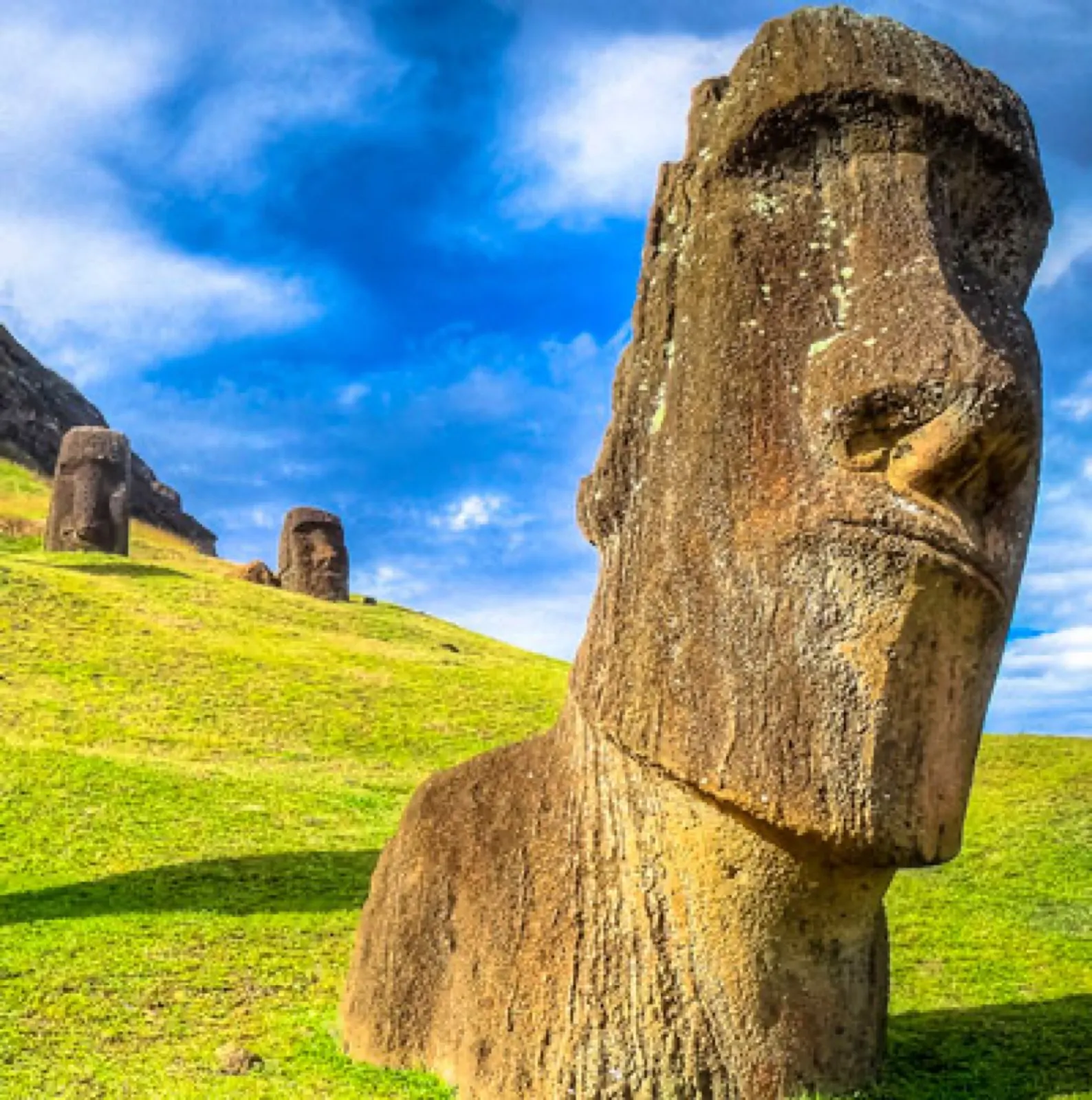
The moai are the iconic image: around 900 monolithic statues carved between the 11th and 17th centuries by the ancestors of the Rapa Nui people and set on ceremonial platforms called ahu. The most famous is Ahu Tongariki, with fifteen moai facing the ocean, especially striking at sunrise.
The Rano Raraku volcano was the quarry where they were carved; some 400 unfinished moai still lie on its slopes. Rano Kau, with its huge crater and lagoons, crowns the southwest; along its rim sits the ceremonial village of Orongo, home to the birdman rite. And the beaches of Anakena and Ovahe, with pink sand, provide the rest stop.
How to get there and when to go
The commercial flight leaves from Santiago and takes about five and a half hours, with daily departures. Visiting the park requires an official ticket, purchased at the site entrances; some sites require an accredited local guide. Five days allow you to cover the main ahus at a relaxed pace, hike up Rano Kau and enjoy a beach day. The best time to go is September to May, with mild temperatures; February brings Tapati Rapa Nui, the year’s most important cultural festival.
How many days do you need on Easter Island?
Four nights is the sensible minimum. Five is right. Three leaves you with a rushed trip and a poor cost per day, because the flight is most of the spend and it deserves amortising.
The reason is weather. Sunrise at Tongariki and sunset at Tahai are why people fly this far, and both depend on that particular morning not being overcast. With five nights you get three or four real attempts at each. With three you get one, and if it fails you go home without the thing you came for.
A split that works: one day for the southern circuit and Tongariki, another for Rano Raraku and the Rano Kau crater with Orongo, a third for Anakena and the north, and the rest as margin — to retry what the weather ruined, or simply not to rush.
Getting there, and when to book
There is one commercial route: Santiago to Mataveri, with LATAM. Five and a half hours over the Pacific, and being a de facto monopoly, the fare drives the rest of the budget. In January, February or Easter week it climbs sharply and needs booking months ahead.
Add the Rapa Nui National Park entrance fee, which is compulsory, bought on arrival and covers every archaeological site for ten days. And bear in mind that almost everything on the island arrives by ship: eating and sleeping cost noticeably more than on the mainland.
How it fits into a Chile trip
This is what most people underestimate: Easter Island isn’t a short detour, it’s a whole block of your itinerary. Between the outbound flight, the nights you need and the flight back, it takes five or six days and forces you through Santiago twice.
What does work well:
- As an extension to a two-week trip. If you already have 15 days planned on mainland Chile, adding Rapa Nui at the end — right before the international flight — is the cleanest logistics.
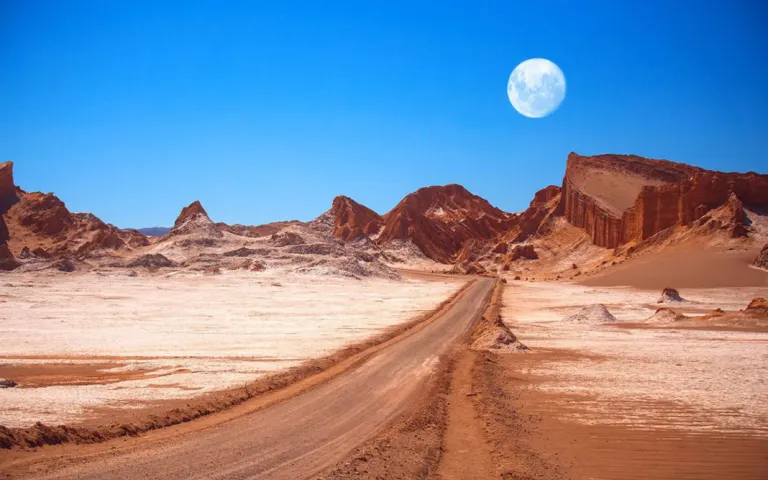
- Paired with the Atacama. They are the two most distinctive places in the country and neither resembles the other. Ten well-arranged days cover both, with Santiago as the hinge.
- At the start, if you’re coming from the northern hemisphere. Jet lag is easier to absorb on the island, at a slow pace, than on a route with daily transfers.
What doesn’t work: trying to squeeze it into a single week alongside Patagonia. Chile’s distances don’t allow it without the trip becoming a sequence of airports.
When to go, and when not to
- October to December and March to May — The best windows: settled weather, fewer people and gentler prices than midsummer.
- February — The Tapati Rapa Nui festival, the island’s most important cultural event. It’s genuine and worth seeing, but flights and accommodation sell out months ahead and get much pricier. Either you go for it, or you avoid it.
- June to August — Wetter and windier, though never genuinely cold. It’s the cheapest season and the island is close to empty. If the place matters to you more than the perfect photograph, it’s a good call.
Want to include Easter Island in your trip?
We design private 7 to 15 day itineraries across Chile, with transport, guides and hotels coordinated. Local receptive operator since 1992.